Choosing Flowers Grown With Care
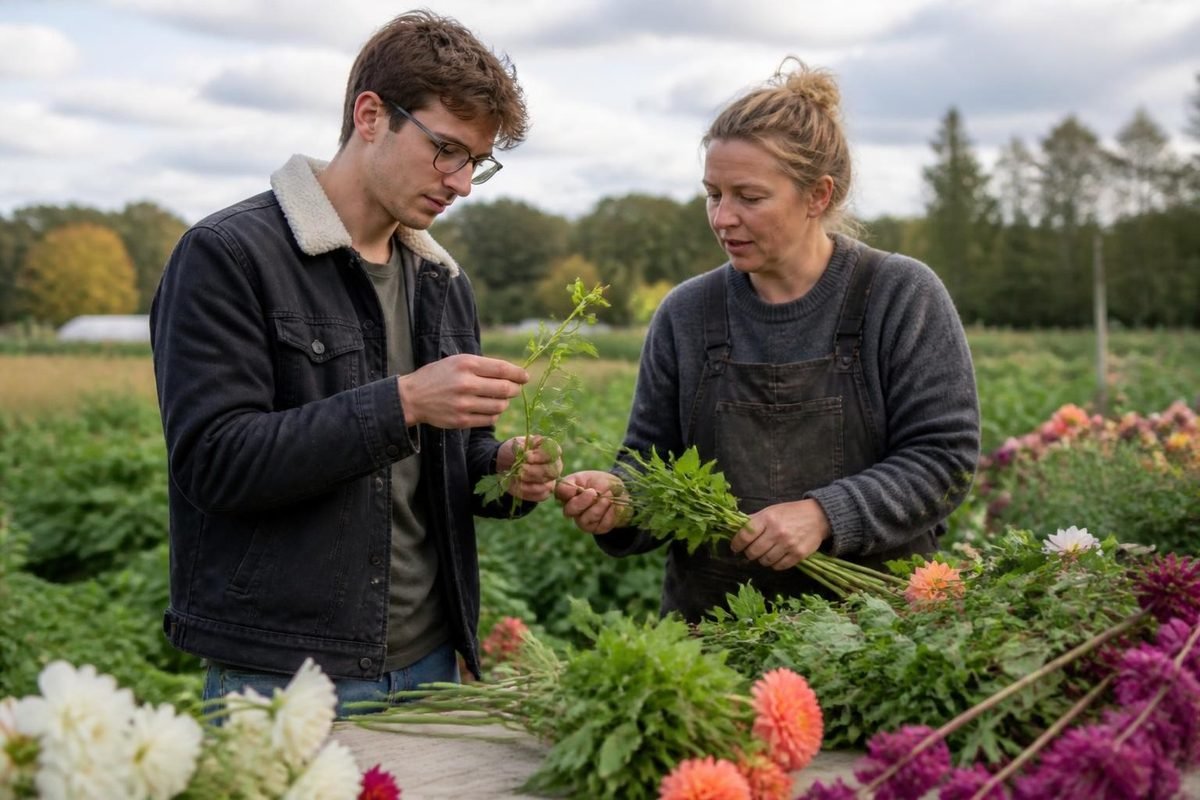
Florists can find flowers grown without pesticides they consider harmful by asking growers how they control pests and checking answers against records or certifications. First decide which chemicals and practices matter to your business, then work with suppliers who can describe how their flowers are raised.
Meet growers in your area
Farmers markets, regional flower auctions and local grower groups are useful places to look for nearby farms. Buying closer to where flowers are grown can make it easier to talk with the person who chooses pest control methods. A farm visit can offer a look at weed, insect and soil management, but seeing the fields does not prove which products have been used.
Ask the grower to walk you through an ordinary season. For example, they may use insect netting, rotate crops or provide habitat for beneficial insects to reduce pest problems. Those steps can reduce the need for sprays, but do not guarantee that pesticides are never used.
Make your questions precise
Words like “natural,” “clean” and “sustainably grown” do not have one meaning shared by every seller. Ask instead which pest control products are applied to the flowers you plan to buy, how frequently they are used and what conditions lead the grower to use them.
Explain the standard you want to meet. You might avoid certain active ingredients, rule out particular pesticide groups or require flowers to be grown with no pesticide applications. Include after-harvest treatments in your questions, since practices after cutting may not be the same as those used in the field.
Details can take time to collect, particularly when a supplier is handling flowers from several farms. If the information is not available, tell the supplier what you need before your next order. Do not treat missing details as proof that the flowers meet your requirements.
Review the evidence
A certification can help you begin your assessment, although standards differ from one program to another. Ask which standard applies, confirm that it covers the farm or flowers in question, and read its pesticide rules. Organic certification, for instance, limits which substances and practices are allowed; it does not rule out every pesticide use.
When possible, ask for written descriptions of growing methods or records of applications for the crops you purchase. A short set of questions for each supplier can make farm answers easier to compare. Save the replies with your buying records, so staff can follow a claim back to its source.
Certification takes time and money, so a farm without certification is not automatically using chemicals you want to avoid. A direct conversation and clear paperwork can help you judge a smaller grower, while recognizing that some details may remain unverified.
Make supply more reliable
Begin with a small selection of seasonal flowers and settle on quantities ahead of time. A regular order can help a grower plan crops for your needs and make supply more predictable for your shop. Ask how you will hear about any changes to the farm’s pest control practices.
If you cannot buy a variety straight from a farm, ask the wholesaler to name its source and share your requirements. Keep another supplier in mind for times when flowers are unavailable. Do not tell customers that every stem meets a particular standard unless you have evidence to support that statement.
Clear questions and accurate descriptions help you select flowers that fit your policy and explain your choices to customers. A simple conversation at a market stall, followed by a written reply, can be a useful start to that process.
You may also like https://theologischer-ausblick.com/blumen-bei-trauerfeiern-und-beerdigungen-symbolik-und/